


"Your word is a lamp for my feet, and a light on my path"
Psalm 119:105
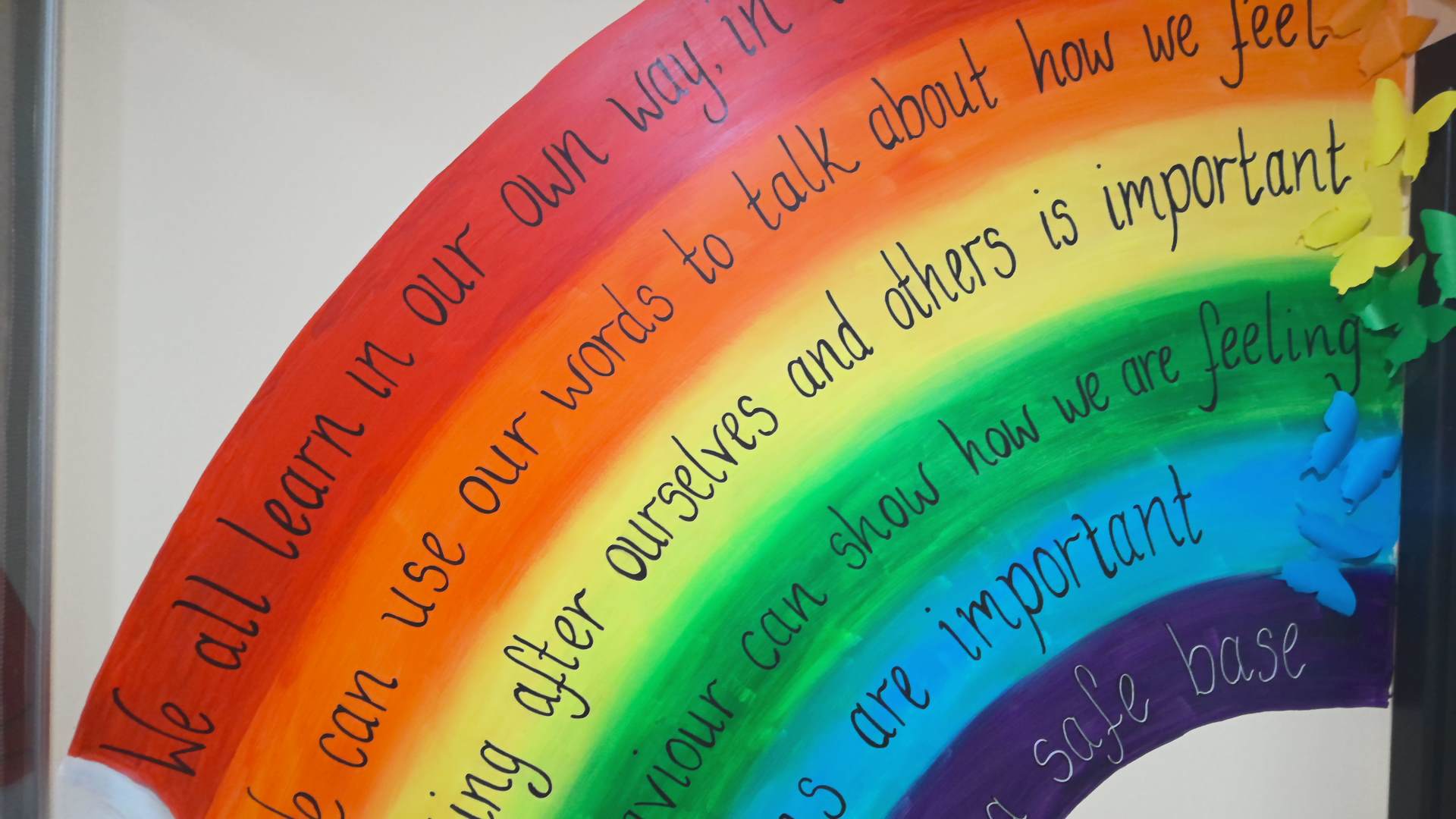 We recognise that every person will have a different way of being spiritual - times when they feel really alive. We also recognise that a key part of being able to flourish is having time for moments of awe and wonder.
In our school we aim to provide pauses in our days and curriculum to reflect, wonder and ask questions.
To help us frame these moments in our curriculum we use this model, influenced by Dr. Rebecca Nye and David Hay, which frames spirituality as the development of four key relationships.
The model supports our pupils in exploring meaning, identity, and connection through everyday experiences, fostering awe, wonder, and reflection across the curriculum and in their lives in our school and beyond.
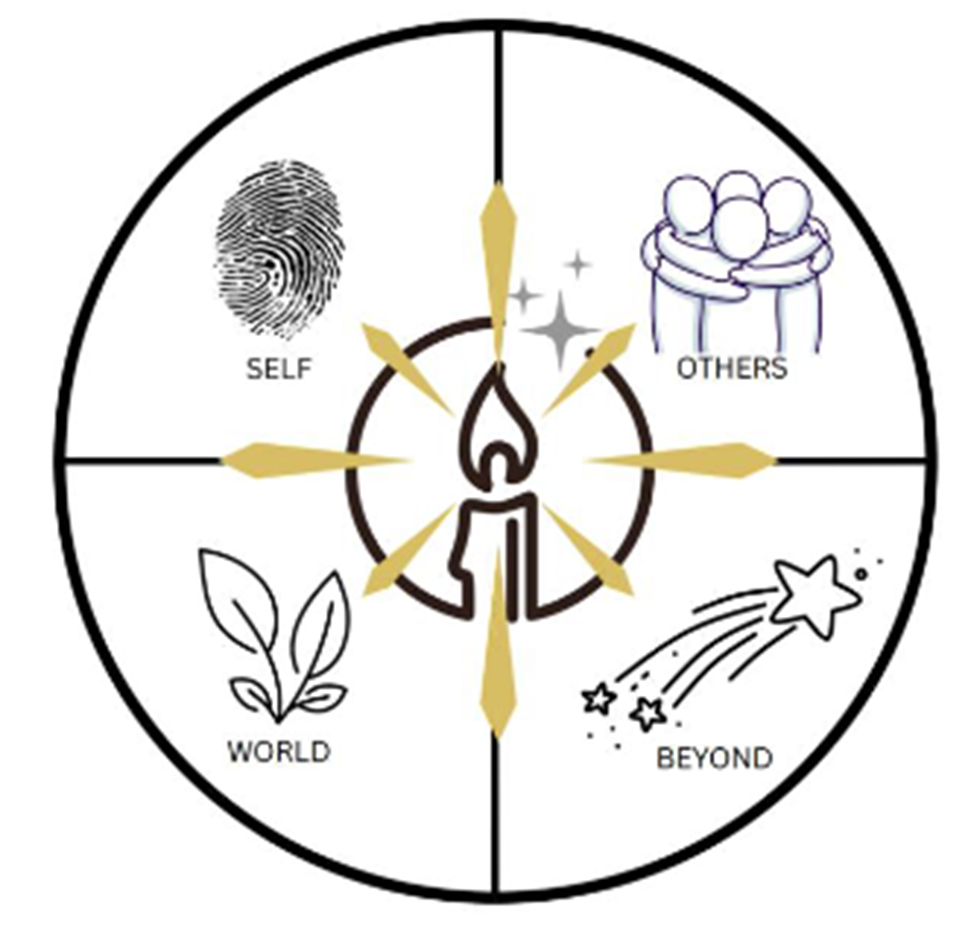
The Intent of our model
1. Self
Focus: Inner awareness and personal growth
Develops:
- Self-reflection and mindfulness
- Emotional awareness and regulation
- Resilience and sense of identity
In practice:
- Quiet reflection times and pupil journalling
- “How did that make you feel?” questioning
- Goal-setting and personal achievements
- Mindfulness or breathing exercises
2. Others
Focus: Relationships and social understanding
Develops:
- Empathy and compassion
- Respect and kindness
- Communication and belonging
In practice:
- Collaborative learning
- Role-play and discussion
- Peer support systems
- Exploring different perspectives in texts and history
3. World
Focus: Appreciation of the environment and aesthetic experience
Develops:
- Awe and wonder
- Creativity and curiosity
- Environmental awareness
In practice:
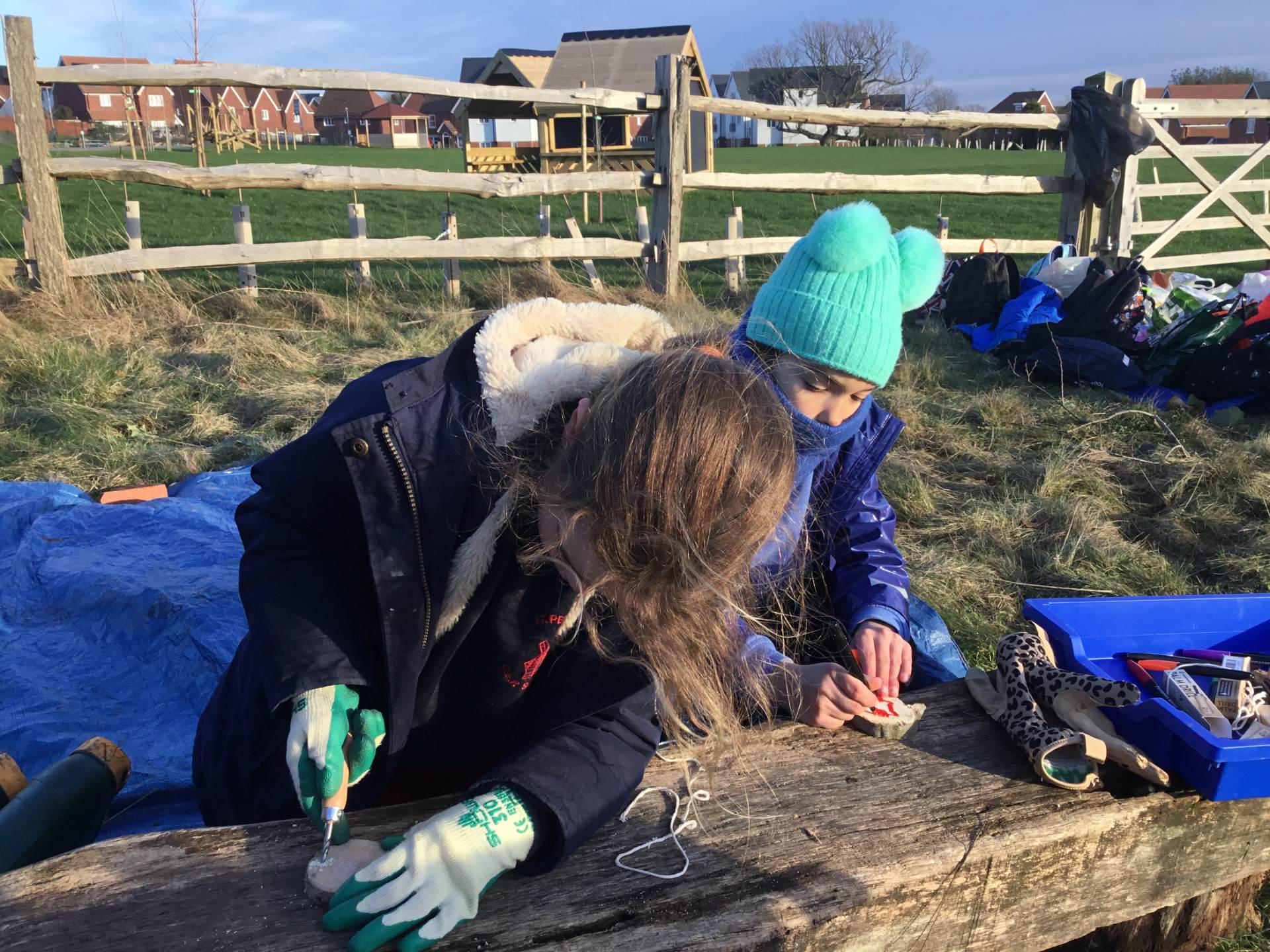
- Outdoor learning and forest school
- Art, music, and creative expression
- Observational activities (“What do you notice?”)
- Celebrating seasonal change or natural phenomena
4. Beyond
Focus: Big questions and meaning-making
Develops:
- Curiosity about existence and purpose
- Exploration of beliefs (religious and non-religious)
- Sense of mystery and possibility
In practice:
- Picture News
- Big questions: Why are we here? What is right and wrong?
- RE lessons and cultural exploration
- Reflection on significant life events or stories
Embedding Across our Curriculum
Everyday Strategies
- Planned moments of stillness (e.g. start/end of lessons)
- Use open-ended questioning to deepen thinking
- Celebrate curiosity and not knowing
- Encourage pupils to notice, reflect, and articulate meaning
- Written reflections at the end of lessons
Examples of how this might look in our Curriculum
| Subject | Application |
|---|---|
| English | Character emotions (Self), empathy (Others), themes of meaning (Beyond) |
| Science | Awe at the natural world (World), big questions about life (Beyond) |
| Art | Creative expression (Self), appreciation (World) |
| PE | Teamwork (Others), perseverance (Self) |
| Geography | Environmental appreciation (World), global responsibility (Others) |
Whole-School Implementation
Staff Approach
- Shared language is used: “Self, Others, World, Beyond”
- We have CPD on recognising spiritual moments in learning
- We encourage staff to model reflection and curiosity
Environment
- Around school there are reflection spaces.
- Displays aim to celebrate awe, wonder, and pupil voice integrated with our learning.
- Outdoor spaces are planned and used intentionally
Pupil Voice
- St Peter's pupils are encouraged to express themselves and have a voice:
- We talk about what they find meaningful, what makes them wonder, what they care about.
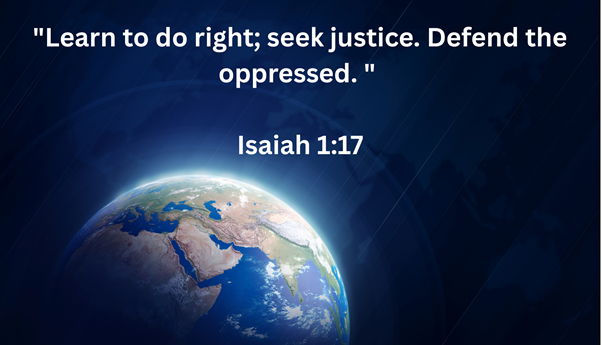
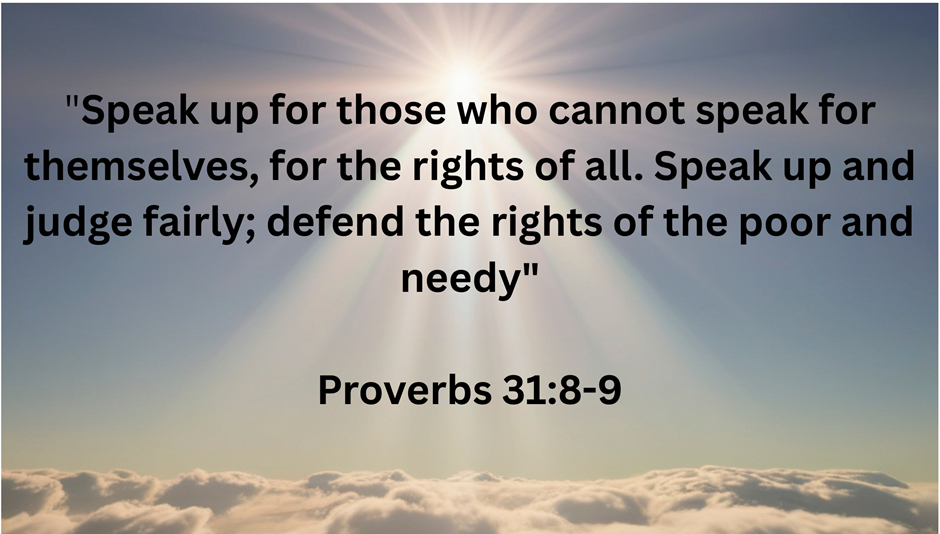
- We are a Rights Respecting School and have a Pupil Parliament and a School Council who are agents of change in our school. Our actions are rooted in what the Bible says about justice.
Impact
This model supports pupils to:
- Develop a strong sense of self and wellbeing
- Build positive relationships and community identity
- Experience joy, wonder, and creativity
- Engage thoughtfully with life’s big questions
- Become agents of change in our community and wider world.